Top 10 Destinations in Delhi (2026) | Best Tourist Places to Visit
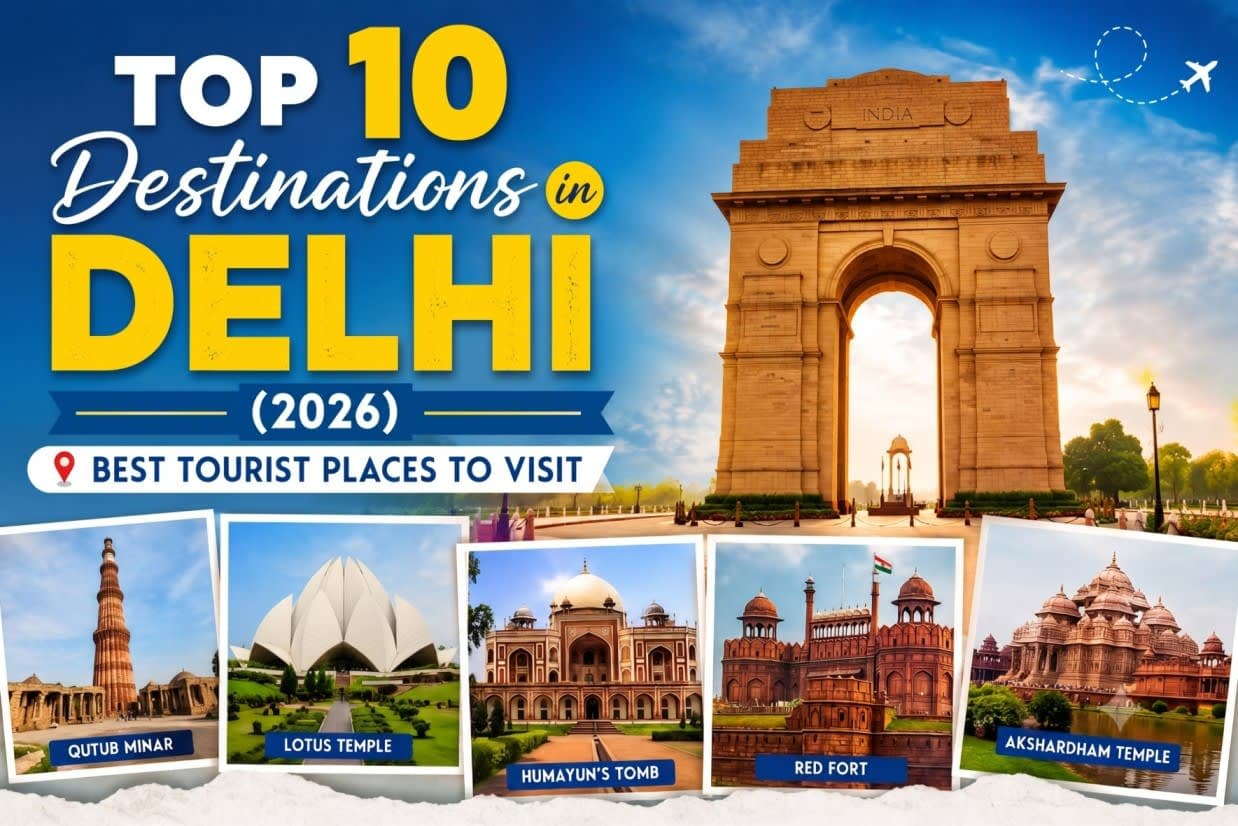
Delhi, the capital of India, is a fascinating blend of ancient heritage and modern urban life. From magnificent Mughal monuments and UNESCO World Heritage Sites to vibrant markets, spiritual landmarks, and beautifully maintained gardens, the city offers something for every traveler.
Whether you're a history enthusiast, foodie, photographer, family traveler, or first-time visitor, Delhi promises unforgettable experiences. You can walk through centuries-old forts, admire stunning architecture, enjoy delicious street food, explore bustling shopping streets, and relax in peaceful green spaces—all within the same city.
This guide highlights the Top 10 Destinations in Delhi to help you plan your trip efficiently.
Quick Comparison Table
|
Destination |
Category |
Best For |
Approx. Visit Time |
|
Red Fort |
Historic Fort |
History & Photography |
2–3 Hours |
|
Qutub Minar |
UNESCO Monument |
Architecture |
2 Hours |
|
India Gate |
War Memorial |
Evening Walks |
1–2 Hours |
|
Lotus Temple |
Spiritual |
Peace & Meditation |
1–2 Hours |
|
Humayun's Tomb |
Heritage |
Architecture |
2 Hours |
|
Akshardham Temple |
Spiritual |
Family Visits |
Half Day |
|
Jama Masjid |
Religious |
History |
1–2 Hours |
|
Lodhi Garden |
Park |
Morning Walks |
2 Hours |
|
Raj Ghat |
Memorial |
Peaceful Visit |
1 Hour |
|
Connaught Place |
Shopping |
Food & Shopping |
Half Day |
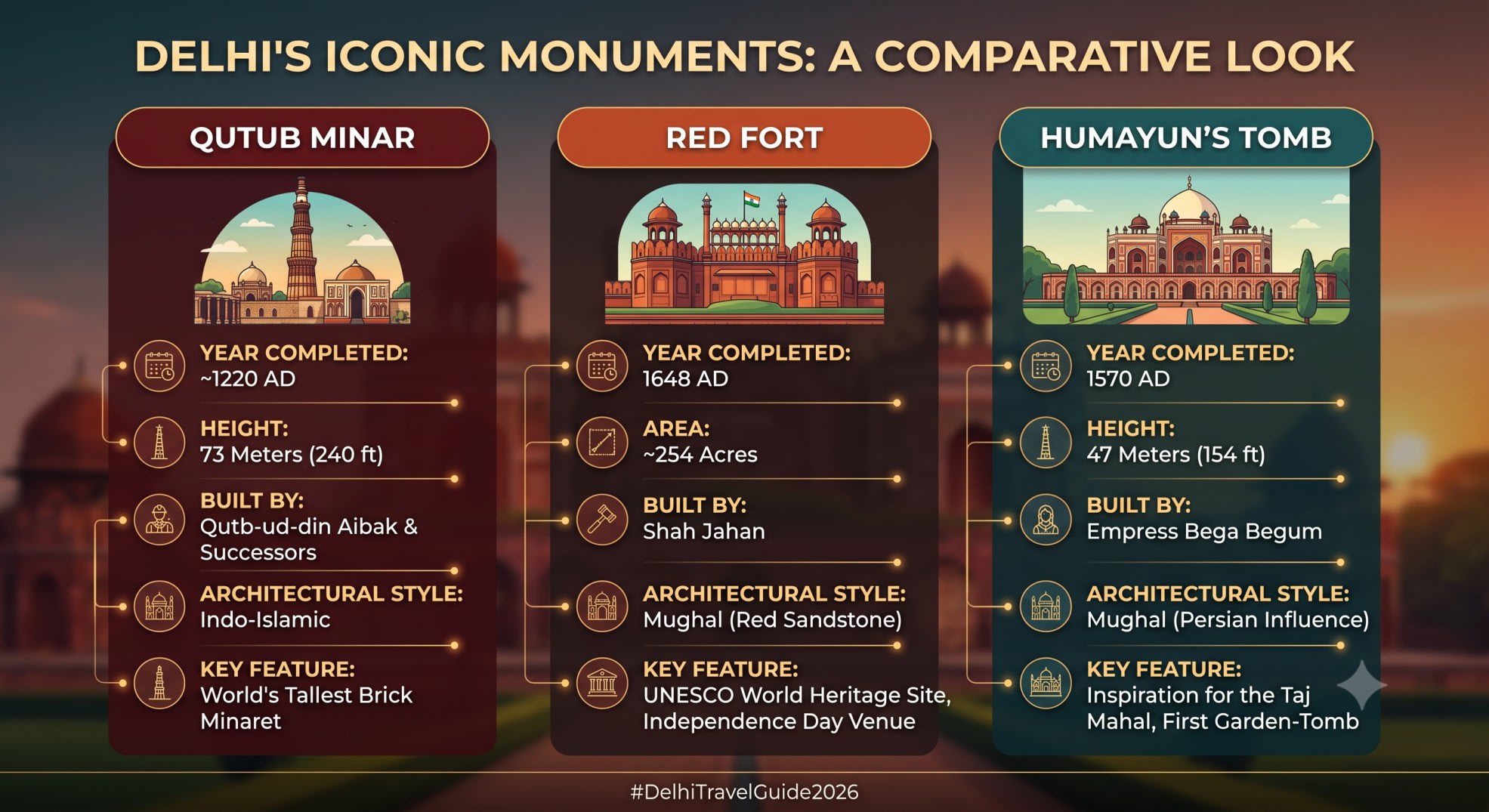
Delhi Iconic Monuments : A Comparative look
Why Visit Delhi?
Delhi is one of India's most visited cities because it offers:
- UNESCO World Heritage Sites
- Rich Mughal and British-era architecture
- Vibrant street food
- Famous shopping markets
- Beautiful gardens
- Religious landmarks
- Museums and galleries
- Excellent metro connectivity
- Family-friendly attractions
- Cultural festivals throughout the year
Whether you have one day or an entire week, Delhi has enough attractions to keep every traveler engaged.
Best Time to Visit Delhi
The ideal time to explore Delhi is from October to March, when the weather is pleasant for sightseeing and outdoor activities.
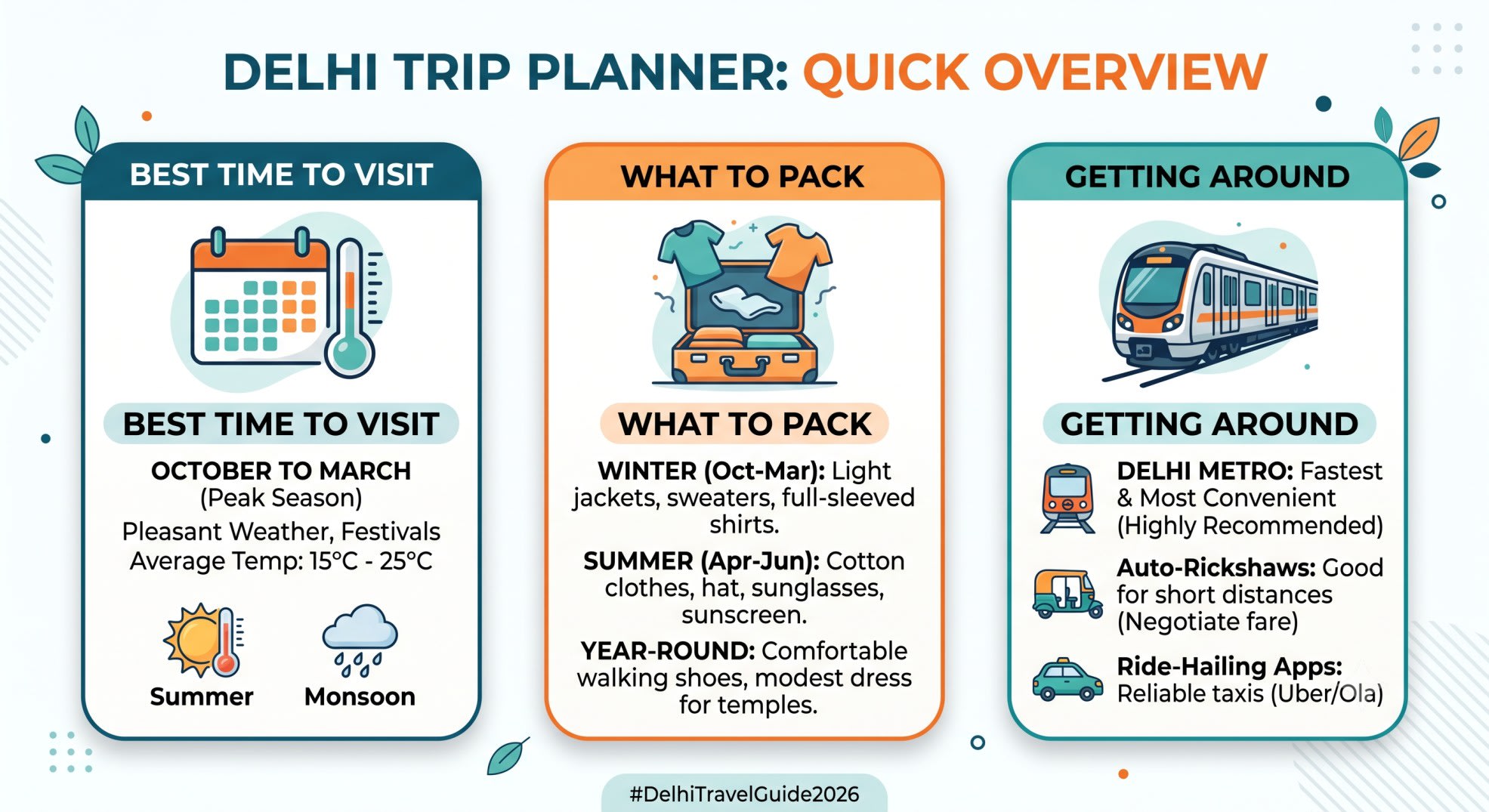
Winter (October–March)
- Pleasant weather
- Best for monuments
- Festivals and cultural events
- Peak tourist season
Summer (April–June)
- Very hot afternoons
- Better for indoor museums and shopping malls
- Early morning sightseeing recommended
Monsoon (July–September)
- Green landscapes
- Occasional rain
- Fewer crowds at many attractions
Top 10 Destinations in Delhi (2026) | Dare to Miss
Red Fort
Overview
The Red Fort, also known as Lal Qila, is one of Delhi's most iconic landmarks and a UNESCO World Heritage Site. Built in 1648 by Mughal Emperor Shah Jahan, the fort served as the main residence of the Mughal emperors for nearly two centuries.
Constructed from striking red sandstone, the fort showcases impressive Mughal architecture, intricate carvings, beautiful gardens, and grand halls. Every year on India's Independence Day, the Prime Minister hoists the national flag from the fort's ramparts, making it a symbol of the nation's history.
Why Visit?
- UNESCO World Heritage Site
- Stunning Mughal architecture
- Rich historical significance
- Beautiful evening light and sound show
- Excellent photography location
Major Attractions Inside
- Lahori Gate
- Chatta Chowk
- Diwan-i-Aam
- Diwan-i-Khas
- Rang Mahal
- Mumtaz Mahal Museum
- Hayat Bakhsh Garden
Approximate Visit Duration
2–3 Hours
Best Time to Visit
Morning or late afternoon to avoid peak heat.
Nearby Attractions
- Jama Masjid
- Chandni Chowk
- Raj Ghat
- Spice Market
Travel Tip
Combine your visit with Chandni Chowk to experience Delhi's famous street food and traditional markets.
Qutub Minar
Overview
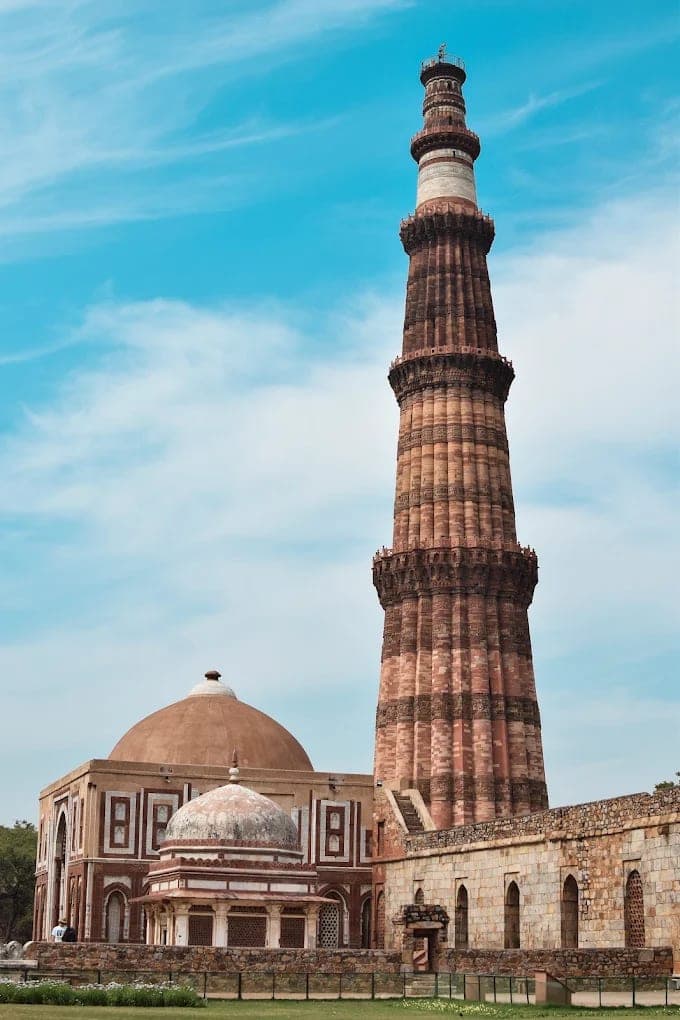
Standing at approximately 73 meters (240 feet), Qutub Minar is the tallest brick minaret in the world and one of Delhi's most celebrated UNESCO World Heritage Sites. Construction began in the late 12th century under Qutb-ud-din Aibak and was completed by his successors.
The monument is admired for its intricate carvings, Arabic inscriptions, and Indo-Islamic architecture. The surrounding archaeological complex includes historic structures that add to the site's cultural significance.
Why Visit?
- UNESCO World Heritage Site
- Iconic Indo-Islamic architecture
- Historic archaeological complex
- Excellent photography opportunities
- Beautiful landscaped gardens
Major Attractions
- Qutub Minar
- Quwwat-ul-Islam Mosque
- Alai Darwaza
- Iron Pillar
- Alai Minar
Best Time
October to March
Approximate Visit Duration
2 Hours
Nearby Attractions
- Mehrauli Archaeological Park
- Garden of Five Senses
- Hauz Khas Village
Travel Tip
Visit during the golden hour before sunset for the best lighting and fewer crowds.
India Gate
Overview
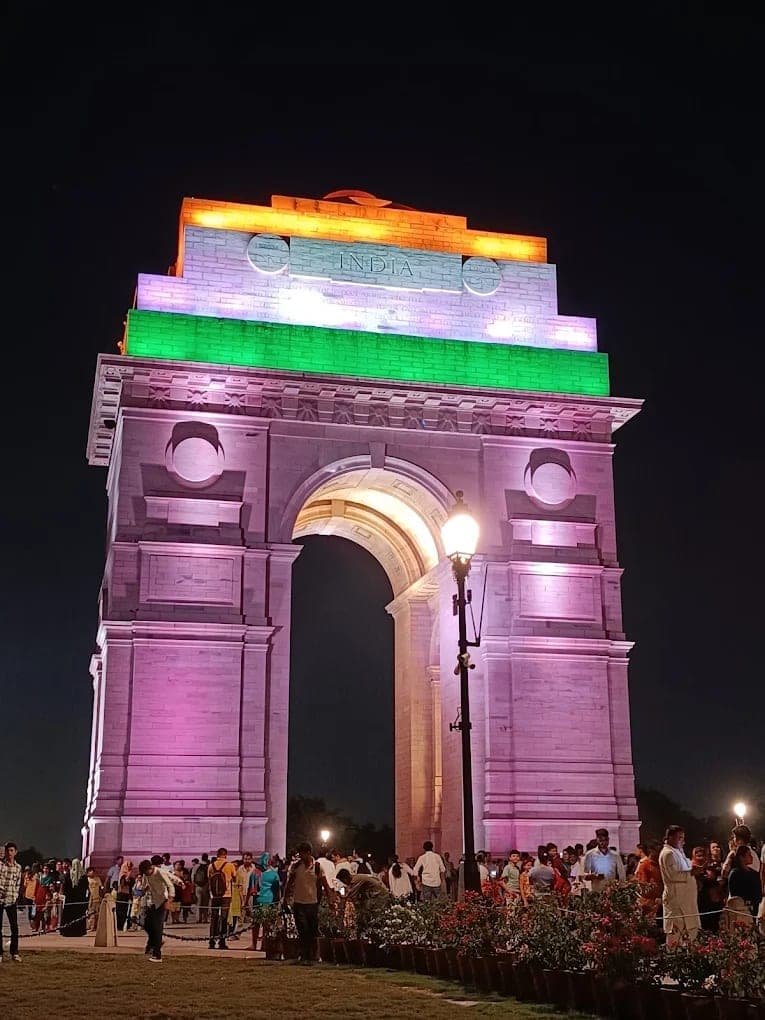
India Gate is one of Delhi's most recognizable landmarks and a popular gathering place for both locals and tourists. Designed by Sir Edwin Lutyens and completed in 1931, this war memorial commemorates thousands of Indian soldiers who lost their lives during World War I and the Third Anglo-Afghan War.
Surrounded by expansive lawns and broad avenues, India Gate is especially lively in the evenings, when families, joggers, and visitors come to enjoy the atmosphere.
Why Visit?
- Historic national monument
- Beautiful illuminated views after sunset
- Family-friendly destination
- Popular picnic spot
- Excellent photography
Things to Do
- Walk around the monument
- Relax on the lawns
- Enjoy local snacks from nearby vendors
- Capture evening photographs
- Visit nearby museums and government buildings
Best Time
Evening (especially during cooler months)
Approximate Visit Duration
1–2 Hours
Nearby Attractions
- National War Memorial
- Rashtrapati Bhavan (view from outside)
- Kartavya Path
- National Museum
Travel Tip
Visit around sunset to enjoy cooler weather and the beautifully lit monument.
Lotus Temple
Overview
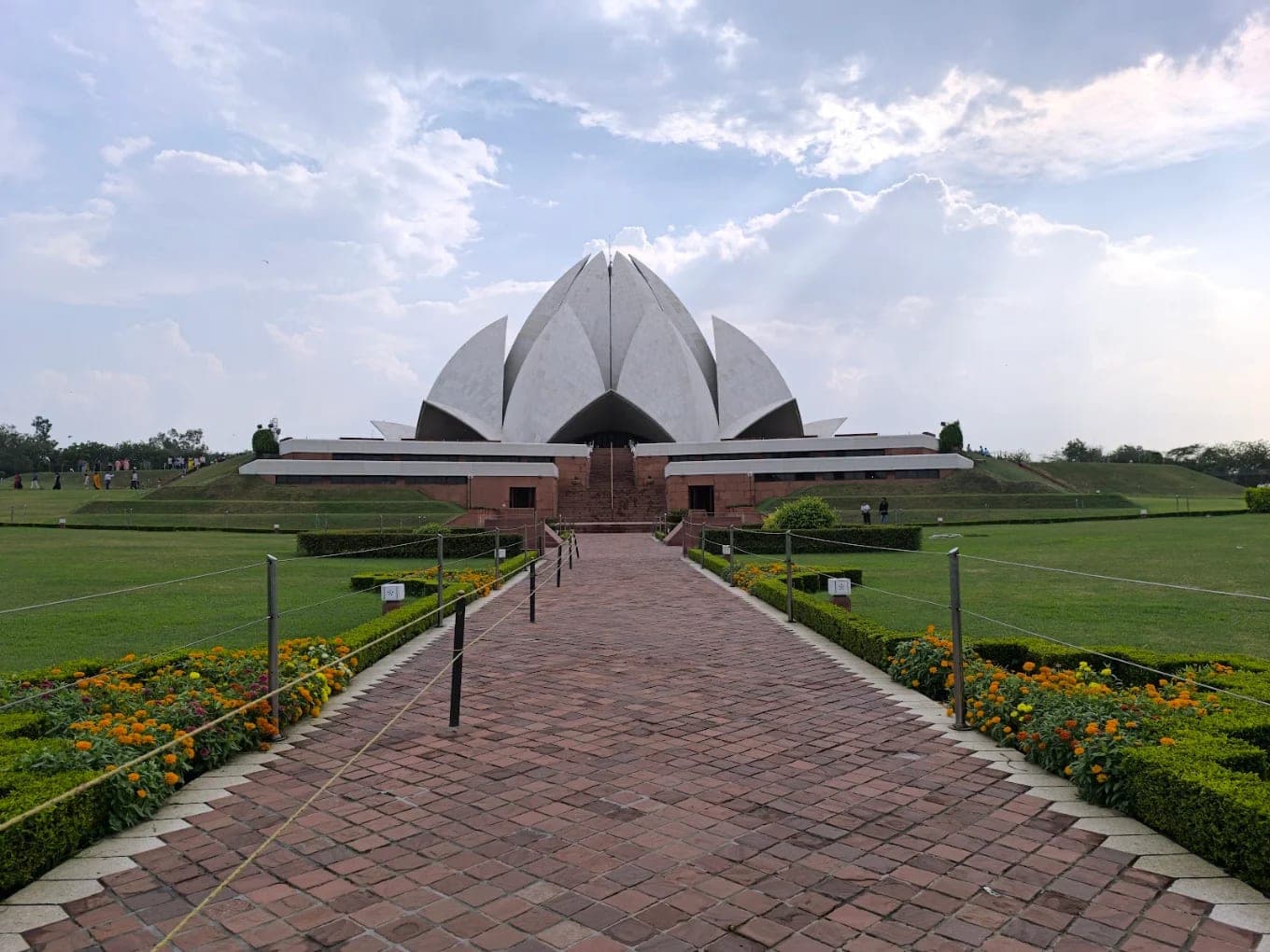
The Lotus Temple is one of Delhi's most visited landmarks and is admired worldwide for its distinctive lotus-inspired architecture. Completed in 1986, this Baháʼí House of Worship welcomes people of all religions, beliefs, and backgrounds. Unlike many places of worship, there are no idols, rituals, or sermons inside the temple, making it a peaceful space for silent prayer and meditation.
Designed by Iranian architect Fariborz Sahba, the structure features 27 marble-clad petals arranged in clusters to resemble a blooming lotus flower. Surrounded by landscaped gardens and reflecting pools, it is one of the city's most photographed attractions.
Why Visit?
- Unique lotus-shaped architecture
- Open to visitors of all faiths
- Peaceful meditation hall
- Beautiful landscaped gardens
- Excellent photography opportunities
Key Highlights
- Iconic white marble structure
- Nine reflecting pools
- Quiet prayer hall
- Information center
- Beautiful evening views
Entry Fee
Free
Timings
Typically open Tuesday to Sunday. Visitors should check the latest timings before planning their visit.
Approximate Visit Duration
1–2 Hours
Best Time to Visit
October to March
Morning hours are ideal for pleasant weather and fewer crowds.
Nearby Attractions
- ISKCON Temple
- Kalkaji Temple
- Nehru Place Market
- Okhla Bird Sanctuary
Travel Tips
- Maintain silence inside the prayer hall.
- Wear comfortable footwear, as shoes must be removed before entering.
- Visit early in the morning for the best photographs.
Humayun's Tomb
Overview
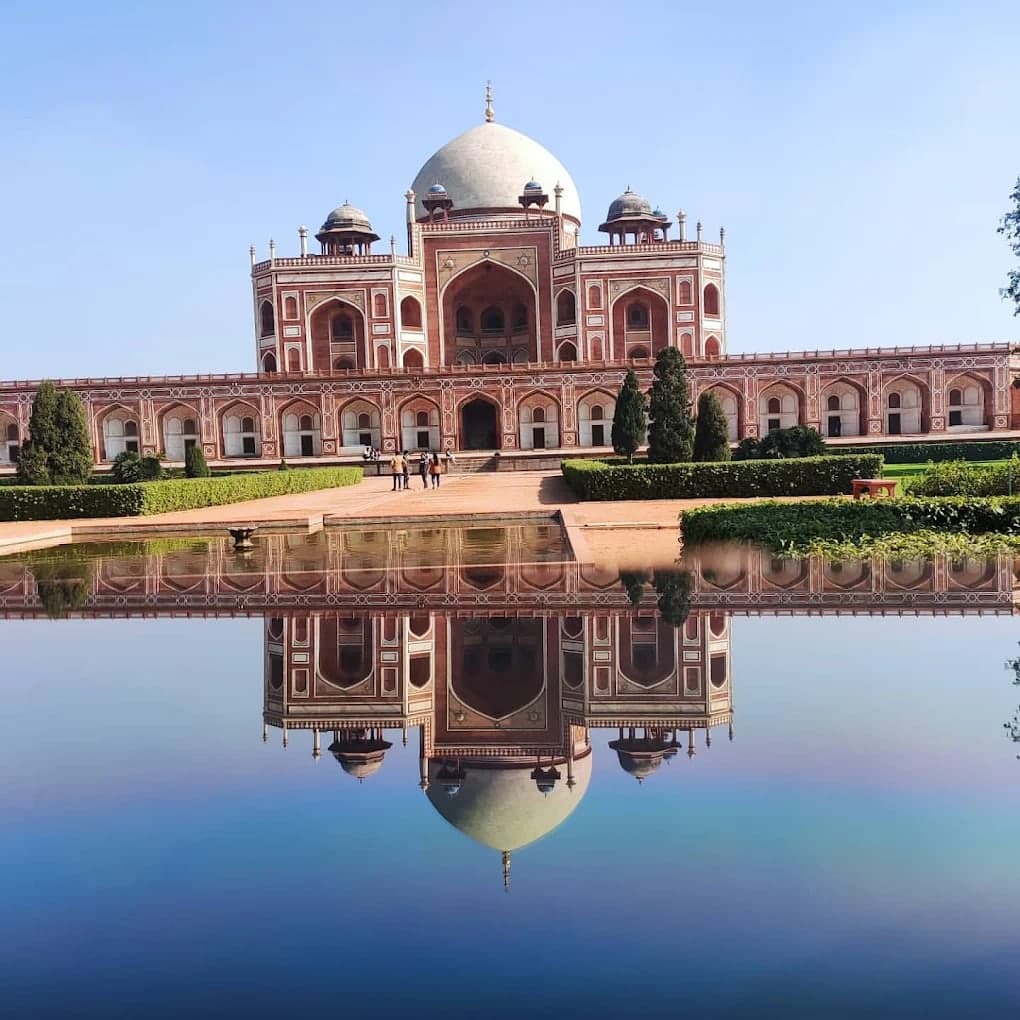
Built in 1570, Humayun's Tomb is one of Delhi's most remarkable Mughal monuments and a UNESCO World Heritage Site. Commissioned by Empress Bega Begum in memory of Emperor Humayun, the tomb is considered a masterpiece of Mughal architecture and is widely regarded as the architectural inspiration for the Taj Mahal.
The monument is set within beautifully maintained Persian-style Charbagh gardens, featuring water channels, pathways, and symmetrical landscaping. Its combination of red sandstone and white marble creates an impressive visual appeal.
Why Visit?
- UNESCO World Heritage Site
- Stunning Mughal architecture
- Beautiful Persian gardens
- Rich historical significance
- Excellent photography location
Major Attractions
- Humayun's Tomb
- Isa Khan's Tomb
- Barber's Tomb
- Charbagh Gardens
- Water Channels
- Archaeological Museum
Entry Fee
Applicable as per Archaeological Survey of India (ASI) guidelines.
Approximate Visit Duration
2–3 Hours
Best Time
Morning or late afternoon during October to March.
Nearby Attractions
- Lodhi Garden
- Purana Qila
- India Gate
- National Zoological Park
Travel Tips
- Wear comfortable walking shoes.
- Carry water during summer months.
- Sunset offers excellent lighting for photography.
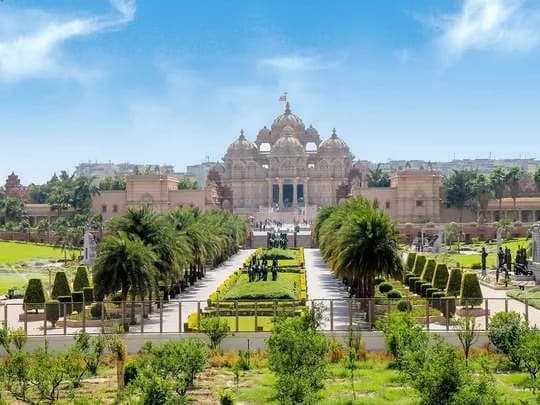
Swaminarayan Akshardham
Overview
Swaminarayan Akshardham is one of the largest and most impressive Hindu temple complexes in the world. Opened in 2005, the complex showcases India's ancient art, architecture, spirituality, and cultural heritage.
Constructed primarily from pink sandstone and white marble, the monument features intricate carvings depicting deities, saints, animals, and traditional Indian motifs. Beyond the main temple, visitors can enjoy exhibitions, musical fountains, gardens, and cultural displays.
Why Visit?
- Magnificent temple architecture
- Cultural exhibitions
- Musical fountain show
- Beautiful gardens
- Family-friendly attraction
Main Attractions
Akshardham Mandir
The intricately carved central monument is the highlight of the complex.
Sahaj Anand Water Show
A spectacular evening presentation featuring water, light, sound, and storytelling.
Hall of Values
Interactive exhibits highlighting Indian values and teachings.
Cultural Boat Ride
A unique journey through thousands of years of Indian history, science, education, and innovation.
Bharat Upavan
A beautifully landscaped garden with sculptures honoring notable Indian leaders and historical figures.
Entry Fee
Temple entry is free. Charges may apply for exhibitions and special attractions.
Approximate Visit Duration
4–5 Hours
Best Time
October to March
Arrive in the afternoon to explore the complex and stay for the evening water show.
Nearby Attractions
- National Crafts Museum
- India Gate
- Pragati Maidan
- National Science Centre
Travel Tips
- Mobile phones, cameras, and certain electronic devices are generally not permitted inside the complex and must be deposited at the designated counters.
- Dress modestly in keeping with the temple's guidelines.
- Allocate at least half a day to fully experience the exhibitions and gardens.
Jama Masjid
Overview
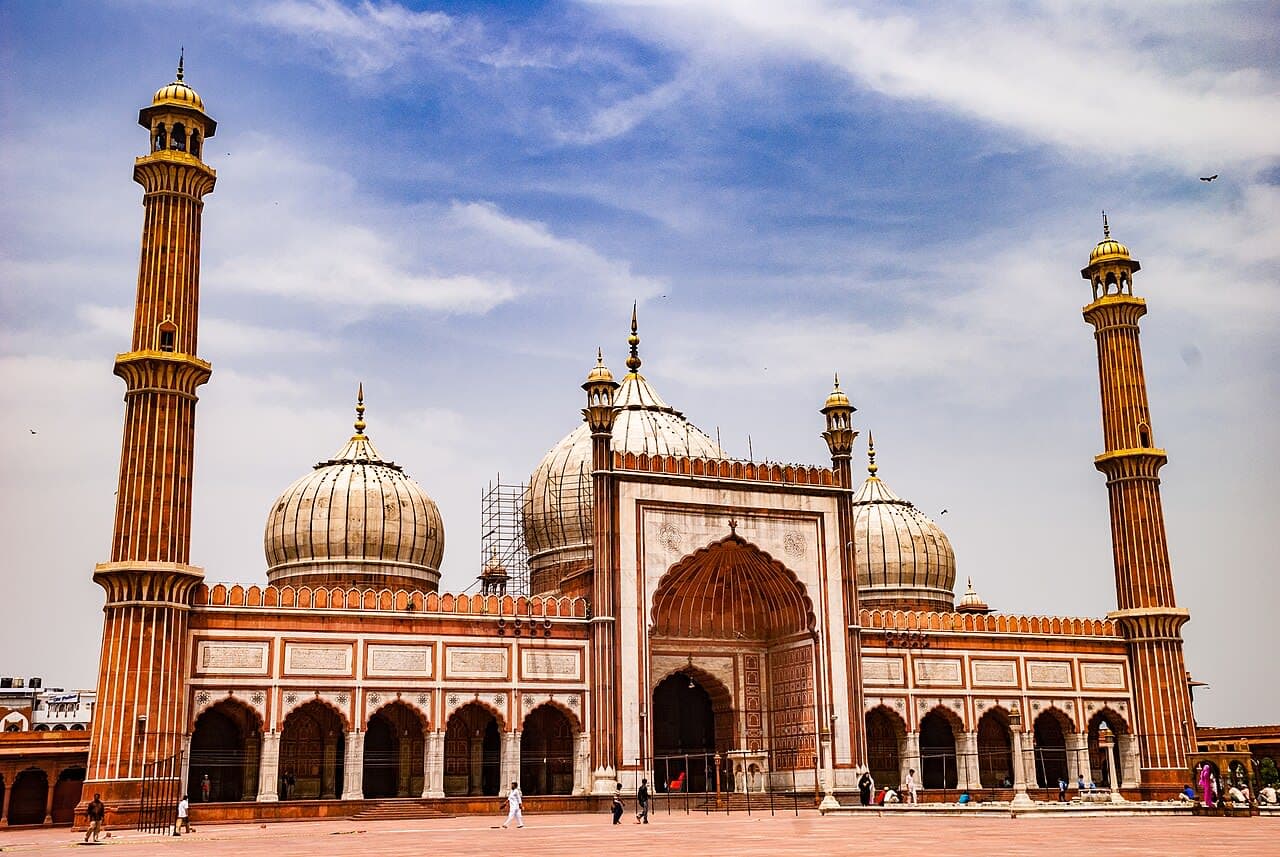
Standing proudly in the heart of Old Delhi, Jama Masjid is one of India's largest and most magnificent mosques. Commissioned by Mughal Emperor Shah Jahan and completed in 1656, the mosque is an architectural masterpiece built with red sandstone and white marble.
The mosque can accommodate nearly 25,000 worshippers in its vast courtyard. Visitors are welcomed throughout the year and can admire the impressive domes, towering minarets, and intricate carvings that showcase the grandeur of Mughal architecture.
Located near the bustling lanes of Chandni Chowk, Jama Masjid offers visitors an opportunity to experience Delhi's rich cultural heritage alongside its famous street food and traditional markets.
Why Visit?
- One of India's largest mosques
- Spectacular Mughal architecture
- Panoramic views of Old Delhi
- Historic and religious significance
- Close to Chandni Chowk
Major Attractions
- Grand Courtyard
- Three Magnificent Gates
- Marble Prayer Hall
- Twin Minarets
- Ancient Calligraphy
- Historic Architecture
Approximate Visit Duration
1–2 Hours
Best Time to Visit
October to March
Early morning or late afternoon offers pleasant weather and fewer crowds.
Nearby Attractions
- Red Fort
- Chandni Chowk
- Khari Baoli Spice Market
- Gurudwara Sis Ganj Sahib
- Fatehpuri Masjid
Travel Tips
- Dress modestly while visiting.
- Remove shoes before entering the prayer area.
- Photography rules may vary in certain sections.
- Respect prayer times and maintain silence.
Lodhi Garden
Overview
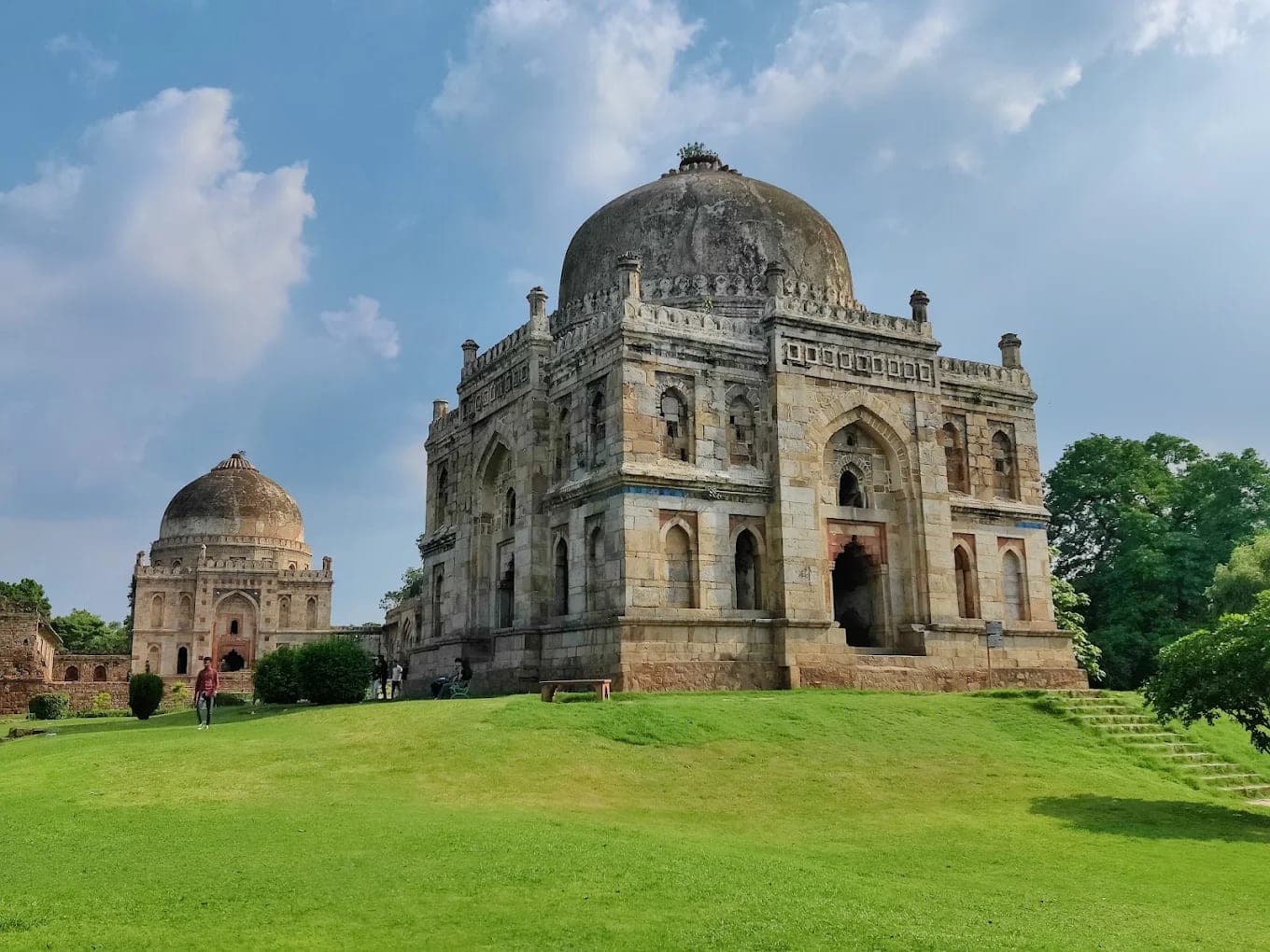
Spread across nearly 90 acres, Lodhi Garden is one of Delhi's most beautiful green spaces. It combines landscaped gardens with historic tombs dating back to the 15th and 16th centuries, making it an ideal destination for nature lovers, photographers, walkers, and history enthusiasts.
The garden houses monuments from the Sayyid and Lodhi dynasties, surrounded by flowering trees, lakes, walking trails, and beautifully maintained lawns.
Why Visit?
- Peaceful atmosphere
- Historic monuments
- Beautiful gardens
- Morning walks
- Bird watching
- Family picnics
Main Attractions
Mohammed Shah's Tomb
An elegant octagonal tomb showcasing early Mughal architectural influences.
Bara Gumbad
One of the park's most photographed monuments.
Sheesh Gumbad
Known for its beautiful blue tile work.
Athpula Bridge
A historic Mughal-era bridge surrounded by greenery.
Activities
- Morning jogging
- Yoga
- Photography
- Family picnics
- Nature walks
- Bird watching
- Outdoor fitness
Approximate Visit Duration
2 Hours
Best Time
October to March
Early mornings are especially popular among fitness enthusiasts and photographers.
Nearby Attractions
- Khan Market
- India Habitat Centre
- Humayun's Tomb
- Safdarjung Tomb
Travel Tips
- Carry water during warmer months.
- Wear comfortable walking shoes.
- Visit during sunrise for beautiful lighting and peaceful surroundings.
Raj Ghat
Overview
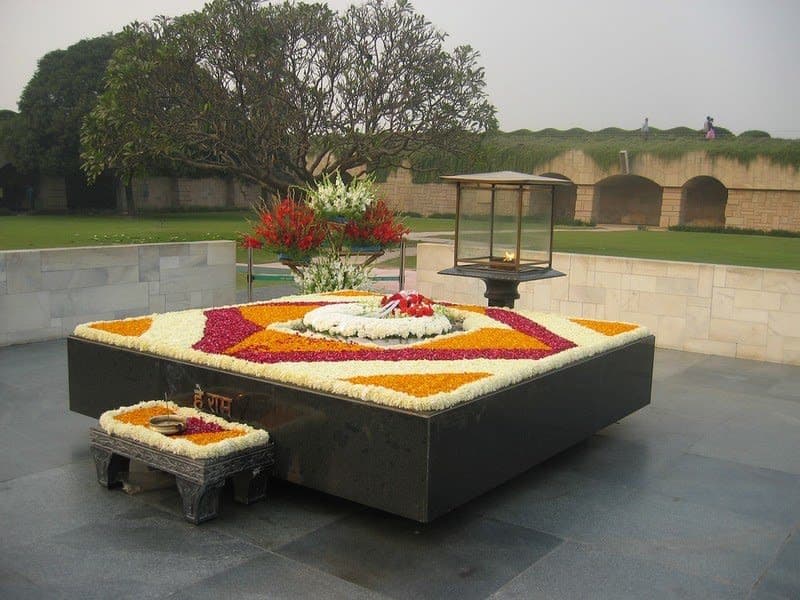
Raj Ghat is the memorial dedicated to Mahatma Gandhi, the Father of the Nation. Located on the banks of the Yamuna River, the memorial marks the site where Gandhi was cremated following his assassination in 1948.
The centerpiece is a simple black marble platform inscribed with the words "Hey Ram," believed to be Gandhi's final words. Surrounded by landscaped gardens and peaceful walkways, Raj Ghat offers visitors a quiet place for reflection.
Why Visit?
- Historical importance
- Peaceful environment
- Beautiful gardens
- Tribute to Mahatma Gandhi
- Ideal for cultural tourism
Main Attractions
- Black Marble Memorial
- Eternal Flame
- Peace Gardens
- Museum
- Gandhi Memorial Area
Approximate Visit Duration
1 Hour
Best Time
Morning or evening.
Nearby Attractions
- Red Fort
- Jama Masjid
- National Gandhi Museum
- Shanti Van
Travel Tips
- Maintain silence and respect the memorial.
- Photography is generally permitted outdoors.
- Combine your visit with nearby historical attractions.
Best Food Near Raj Ghat
- North Indian restaurants
- Vegetarian eateries
- Family dining options
- Street food stalls
- Café chains
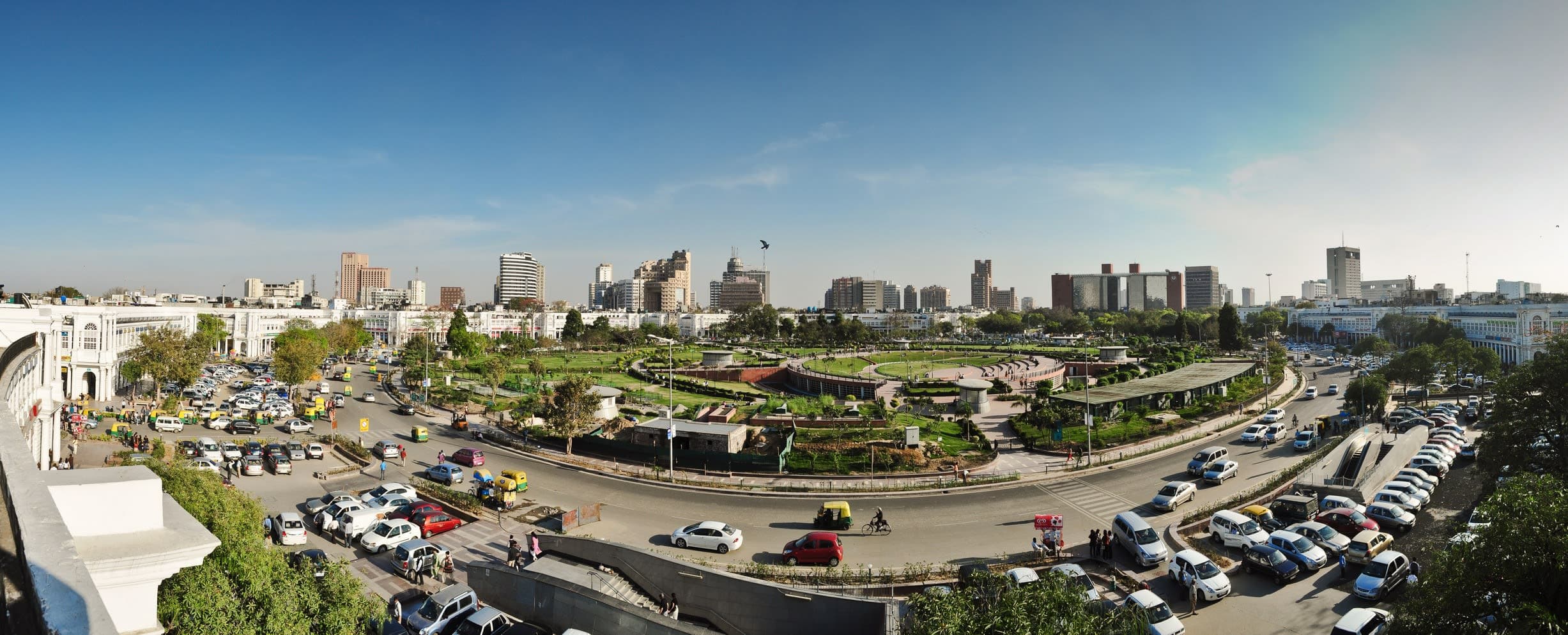
Connaught Place (CP)
Overview
Connaught Place, popularly known as CP, is one of Delhi's most iconic commercial and entertainment hubs. Designed by British architect Robert Tor Russell and completed in 1933, it is renowned for its circular layout, colonial architecture, shopping outlets, restaurants, cafés, nightlife, and business centers.
Divided into Inner Circle, Middle Circle, and Outer Circle, Connaught Place is a favorite destination for locals and tourists alike. Whether you're looking for branded shopping, street food, bookstores, cafés, or vibrant nightlife, CP has something for everyone.
Why Visit?
- One of Delhi's most famous shopping destinations
- Beautiful colonial architecture
- Excellent cafés and restaurants
- Vibrant nightlife
- Central location with easy metro connectivity
- Great place for photography and evening walks
Things to Do
Shopping
Explore international brands, local boutiques, bookstores, handicraft shops, and electronics stores.
Food
Enjoy cuisines from around the world, including:
- North Indian
- South Indian
- Mughlai
- Chinese
- Italian
- Continental
- Street food
- Cafés and dessert shops
Entertainment
- Live music venues
- Movie theatres
- Art galleries
- Escape rooms
- Cultural events
Photography
The white colonial buildings, illuminated streets, and lively atmosphere make CP a favorite location for photographers.
Approximate Visit Duration
3–5 Hours
Best Time to Visit
October to March
Evening is the best time to experience the vibrant atmosphere.
Nearby Attractions
- Janpath Market
- Jantar Mantar
- Agrasen ki Baoli
- Gurudwara Bangla Sahib
- National Museum
- India Gate
Travel Tips
- Use the Delhi Metro to avoid traffic.
- Keep an eye on personal belongings in crowded areas.
- Explore Janpath for affordable shopping and souvenirs.
- Visit during the evening for the best ambiance.
How to Get Around Delhi
Delhi Metro
The Delhi Metro is one of the fastest, cleanest, and most affordable ways to travel between major attractions.
Taxi & Ride-Hailing
App-based taxi services and local taxis are widely available.
Auto-Rickshaws
Ideal for short distances. Confirm the fare or use the meter where available.
Hop-On Hop-Off Buses
A convenient option for visitors who want to explore multiple attractions in a day.
Essential Travel Tips
- Carry a reusable water bottle.
- Wear comfortable walking shoes.
- Dress modestly when visiting religious sites.
- Keep cash and digital payment options handy.
- Follow local photography rules at monuments and places of worship.
- Start sightseeing early to avoid crowds and heat.
- Use sunscreen, sunglasses, and a hat during summer.
- Book tickets online for popular attractions whenever possible.
Conclusion
Delhi is a city where centuries of history meet modern life. From the majestic Red Fort and towering Qutub Minar to the peaceful Lotus Temple, lush Lodhi Garden, and vibrant Connaught Place, every destination offers a unique glimpse into the capital's culture, architecture, and traditions.
Whether you're planning a short weekend getaway or a longer holiday, these ten destinations provide an excellent introduction to Delhi's rich heritage and contemporary attractions. Pair historical landmarks with local cuisine, bustling markets, and green spaces to create a memorable travel experience.
Before you travel, check the latest opening hours, ticket prices, and visitor guidelines for each attraction. With a well-planned itinerary and comfortable transportation, you can explore many of Delhi's highlights while enjoying everything the city has to offer.
Start planning your Delhi adventure today and discover why India's capital remains one of the country's most fascinating travel destinations.
Frequently Asked Questions
Which is the most famous tourist destination in Delhi?+
The Red Fort is among the city's most iconic landmarks, known for its historical significance and UNESCO World Heritage status.
How many days are enough to explore Delhi?+
two- to three-day trip is sufficient to cover most major attractions, museums, markets, and food destinations.
Is Delhi safe for tourists?+
Delhi is a popular tourist destination. Visitors should take standard precautions, stay aware of their surroundings, and use trusted transportation options.
What is the best month to visit Delhi?+
November to February offers pleasant weather and is considered one of the best periods for sightseeing.
Which destinations are free to visit in Delhi?+
Places such as India Gate, Lodhi Garden, Raj Ghat, and Connaught Place can be explored without an entry fee, although nearby attractions may have separate charges.
Which places are ideal for families?+
Akshardham Temple, Lodhi Garden, India Gate, Qutub Minar, and Connaught Place are popular choices for family outings.
Which attractions are best for photographers?+
Red Fort, Qutub Minar, Humayun's Tomb, Lotus Temple, Lodhi Garden, and India Gate offer excellent photography opportunities.
Can I cover Delhi in one day?+
Yes, but you'll need to focus on a limited number of attractions. A one-day itinerary should prioritize landmarks located close to each other.